Bottled Water Across Asia: From Russia to Japan to the UAE
Disclaimer: The site may contain links to affiliate websites, and we receive an affiliate commission for any purchases you make on the affiliate website using such links, at no additional cost to you.
At Shea Service, we have been touring the world's bottled water one region at a time, starting with the glass bottled waters of Europe, then North America. Asia is the largest and most varied stop on this tour by far, it stretches from Russia's Caucasus spas in the west to Japan's forested watersheds in the east, and includes the Middle East, the Caucasus, South Asia, and Southeast Asia along the way. A handful of the waters in this post do have working Amazon.com listings in glass, and we have noted those clearly. Most, however, are sold only on regional Amazon sites or not through Amazon at all, so we have included images and links only where a real one exists, and left the rest as names worth knowing.
Russia and the Caucasus
1. Essentuki - Russia's Historic Spa Water
Essentuki is one of Russia's oldest and most recognized mineral waters, sourced from the Caucasian Mineral Waters region in southern Russia, an area that has drawn visitors to its spa towns for over two centuries since Tsar Alexander I formally recognized the region's springs in 1803. The water comes in two main varieties, Essentuki No. 4 and the stronger No. 17, both naturally carbonated and rich in more than 30 minerals drawn from wells several hundred meters deep. It has long been associated with Soviet-era sanatorium culture, where drinking the water alongside mineral baths was considered part of a broader wellness treatment. Essentuki No. 17 is available on Amazon.com in a 17.64 ounce glass bottle, sold in a 10 pack, making it one of the few genuinely Russian sourced waters with a real US affiliate listing. For a taste of a two-hundred-year-old Russian spa tradition, Essentuki is the name to start with.
2. Borjomi - The Caucasus Water Long Associated with Russia
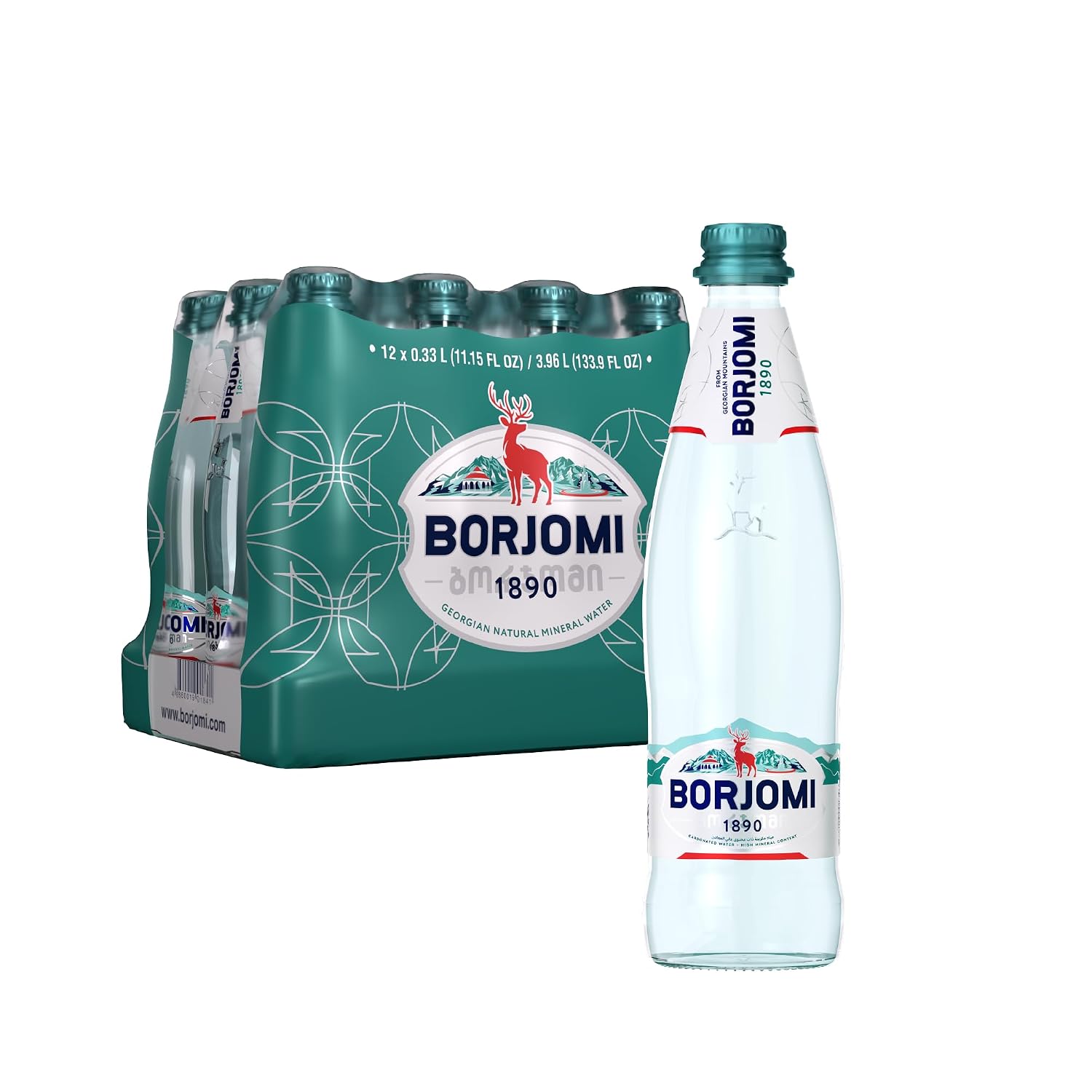
Borjomi is technically sourced from the Borjomi Gorge in Georgia rather than Russia itself, but it has been so closely tied to Russian and Soviet drinking culture since the 19th century that it remains one of the most recognized names across the former Soviet region. The water is naturally carbonated under pressure roughly five miles underground, and its mineral composition, over 60 minerals including calcium, magnesium, and potassium, has reportedly stayed consistent since it was first bottled in 1890. It has picked up genuine historical weight along the way, the first bottle produced is preserved in the Borjomi Museum of Local History, once housed in former Romanov offices. Borjomi is available on Amazon.com in glass, in an 11.15 fl oz, 12 pack format, alongside separate plastic and canned lines. For anyone curious about the water that shaped an entire regional drinking culture, Borjomi is worth trying.
3. Badamli - Azerbaijan's Historic Caucasus Mineral Water
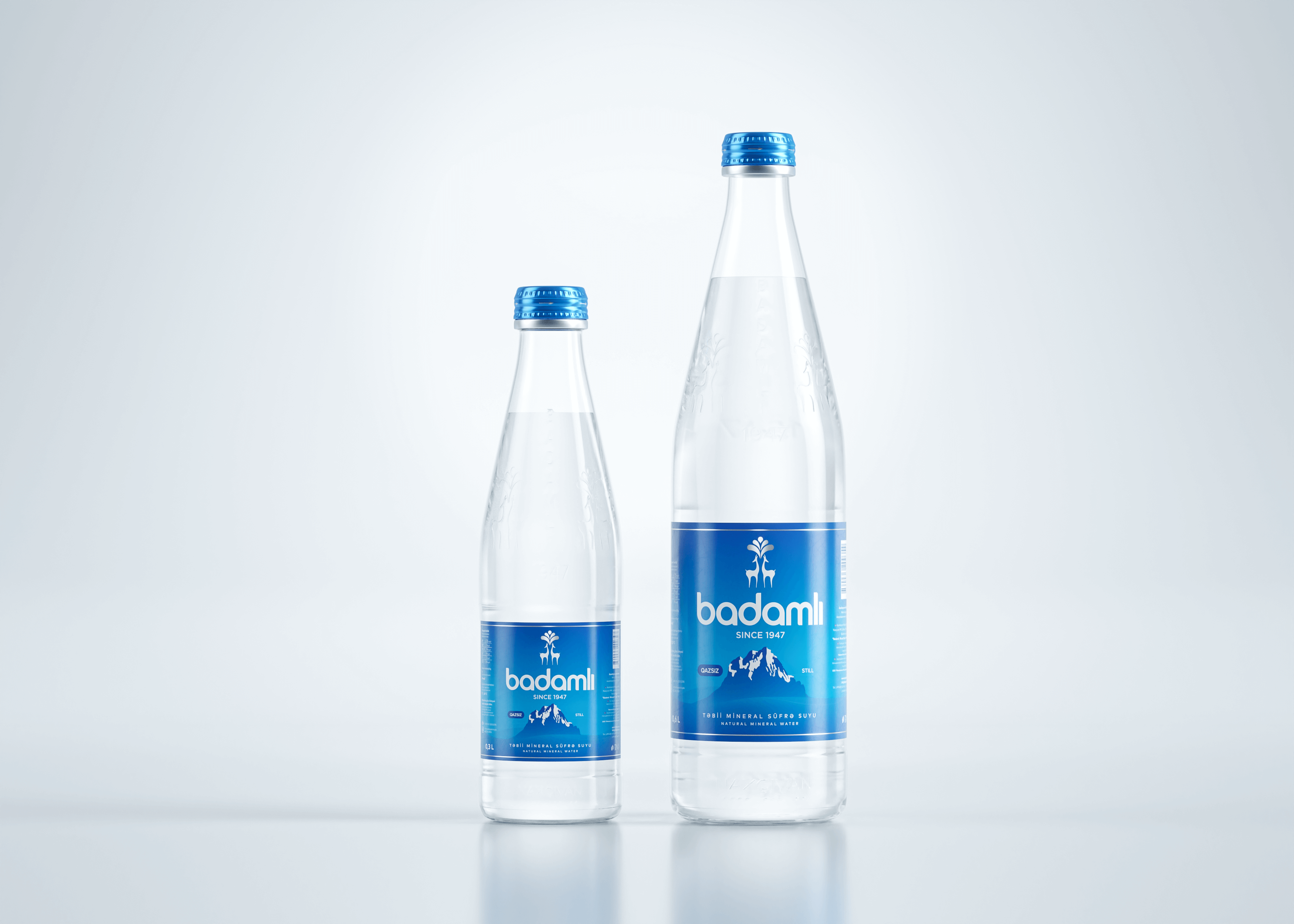
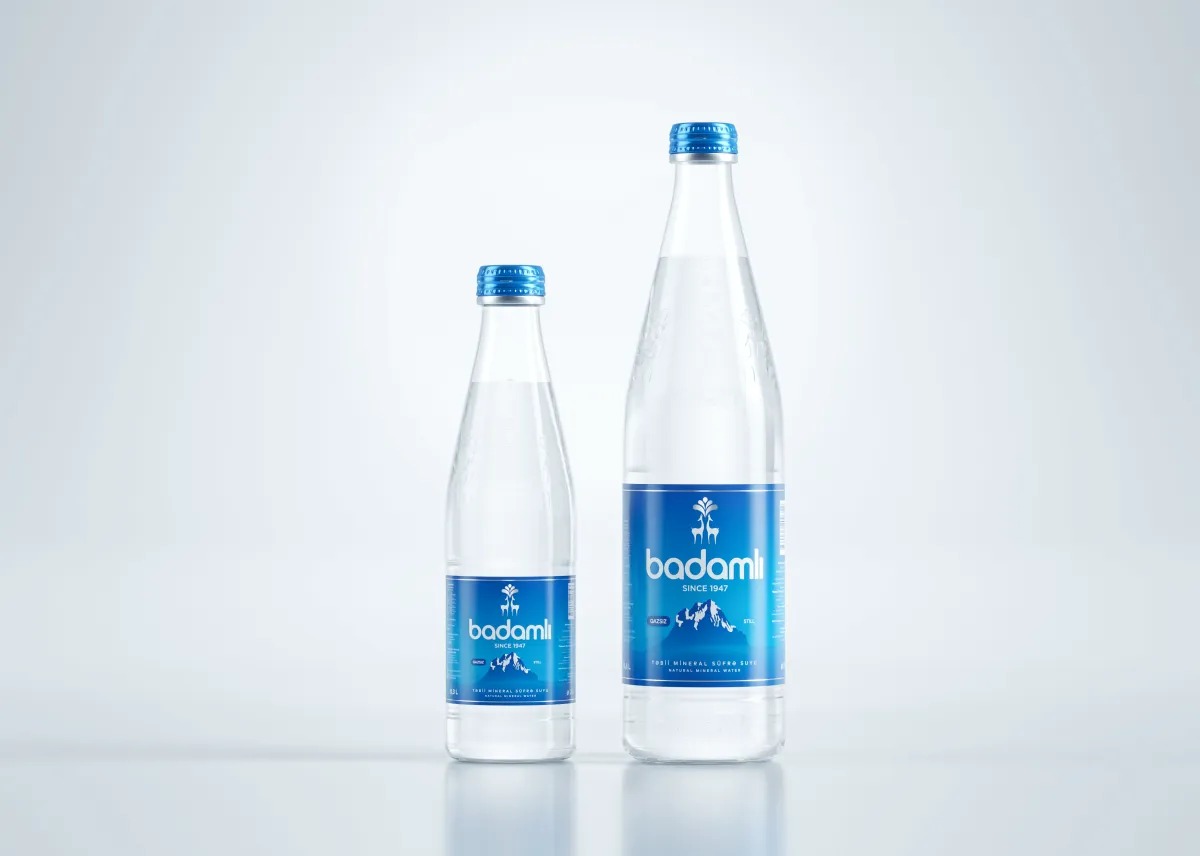
Badamli has been bottled since 1947 from a source in the Caucasus Mountains of Azerbaijan and is one of the more genuinely unfamiliar names in this post for most Western readers. It is available in both naturally sparkling and still versions, with a naturally alkaline pH around 7.5. What sets it apart mineral wise is a trace amount of natural iodine, which is uncommon in most bottled waters and ties back to the specific geology of its source. The taste is smooth and well balanced rather than aggressively mineral, making it approachable even for people new to the brand. It does not currently have a working Amazon.com listing, so it sits here as a name worth knowing rather than a product you can order today.
Turkey
4. Uludag Premium - Turkey's Award-Winning Glass Bottle
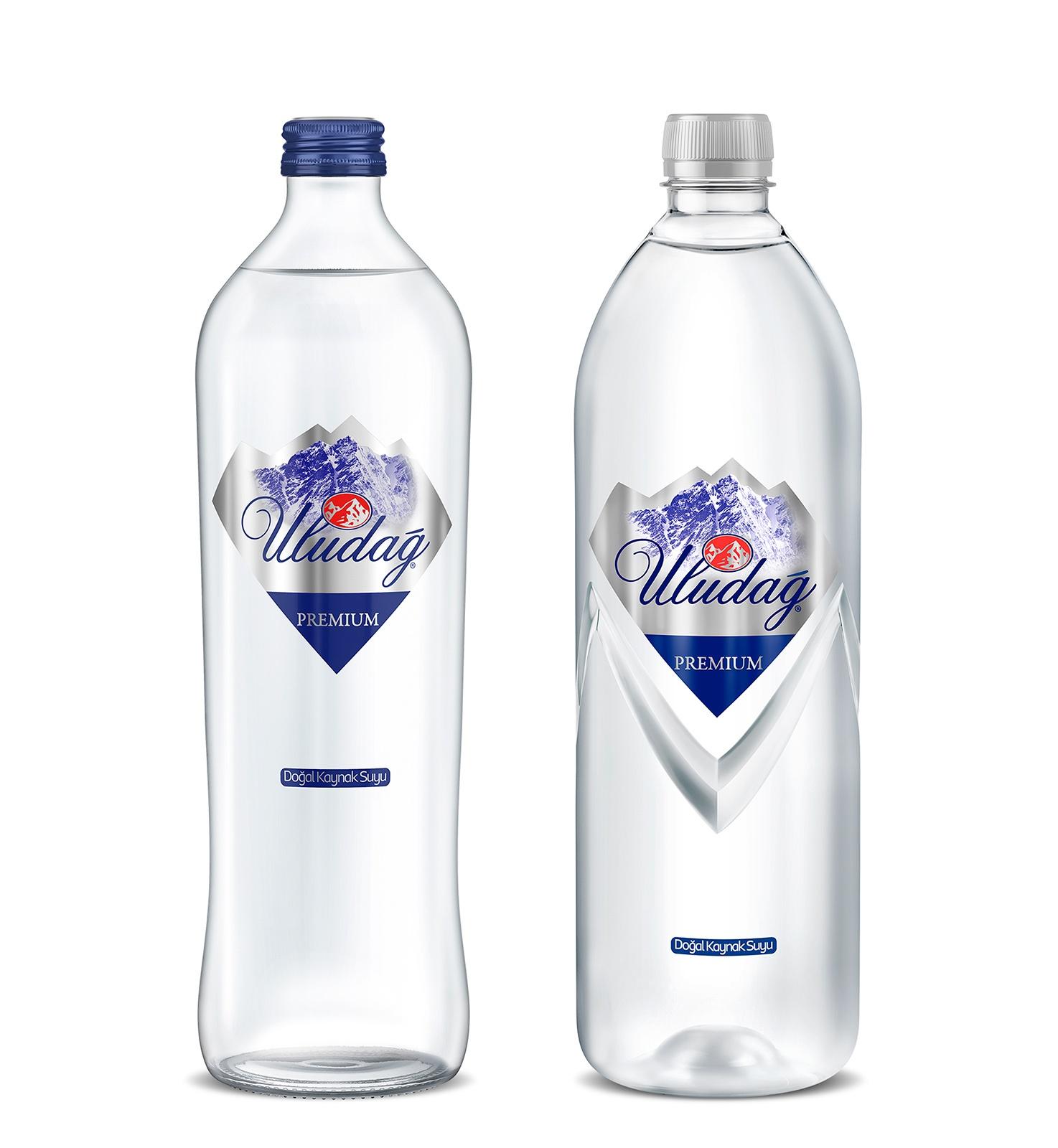
Uludag Premium Mineral Water is sourced from Mount Uludag near Bursa, Turkey, an area that received its mineral water business license back in 1912. The water is lightly carbonated with a naturally soft profile and a pH close to neutral at 7.02, making it one of the gentler sparkling waters on this list. What sets it apart is its packaging, a cobalt blue glass bottle designed by Turkish designer Dice Kayek, drawing inspiration from Ottoman glass art and vintage French carafes, and it has picked up real design recognition including a Golden Packaging Award and a Worldstar Award. The plain Uludag Premium glass bottle is not currently available through Amazon.com, though it is sold through specialty Turkish and halal grocery importers in the US. For a genuinely design-forward Turkish water, Uludag Premium is worth seeking out even without a direct Amazon link.
5. Erikli - Turkey's Best-Known Everyday Water
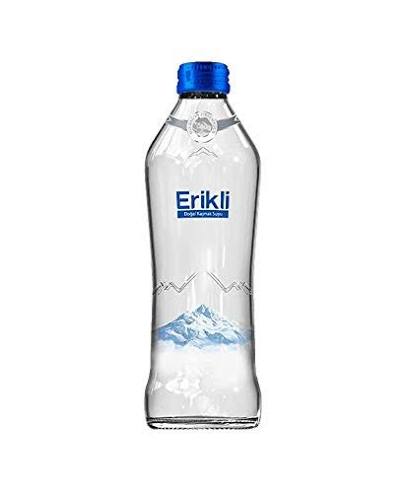
Erikli is widely considered Turkey's most popular bottled water brand, sourced from the same Uludag mountain region and now owned by Nestle Waters, which acquired the brand in 2006. It is exported from melted snow runoff on the volcanic Uludag massif and has become the default choice recommended to visitors in Istanbul who are told not to drink the tap water. Turkey consumes an enormous volume of Erikli daily, reportedly around 16 million bottles, making it one of the highest volume water brands in the region despite limited international recognition. Erikli does produce a premium glass bottle line, but like Uludag, it is currently sold through Turkish specialty importers in the US rather than through Amazon.com. For understanding what everyday drinking water looks like across Turkey, Erikli is the name to know.
South Asia
6. Bisleri - India's Most Recognized Bottled Water
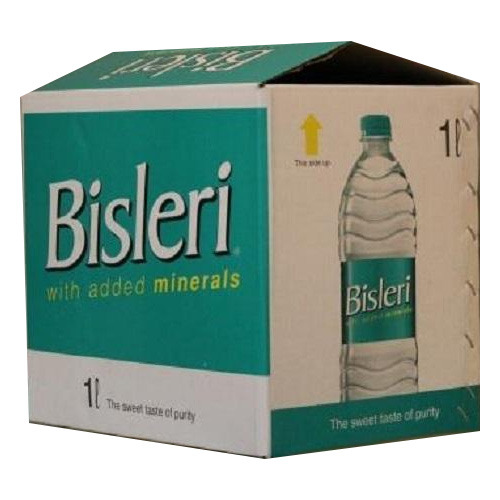
Bisleri is one of the oldest and most widely distributed bottled water brands in India, so ubiquitous that the name itself is often used generically the way "Kleenex" is used for tissues elsewhere. It originated as an Italian brand in the 1960s before being acquired and built into a household name across Indian cities, towns, and highways alike. The water goes through a standard multi-stage purification process rather than being marketed around a single natural spring source, positioning it as a reliable everyday water rather than a premium mineral water. It is sold in plastic across nearly every size format, from small single serve bottles to large jugs for home delivery. For anyone traveling in India, it is the name you will see everywhere, whether at a train station kiosk or a five star hotel minibar.
7. Himalayan - Naturally Alkaline Water from the Himalayan Foothills
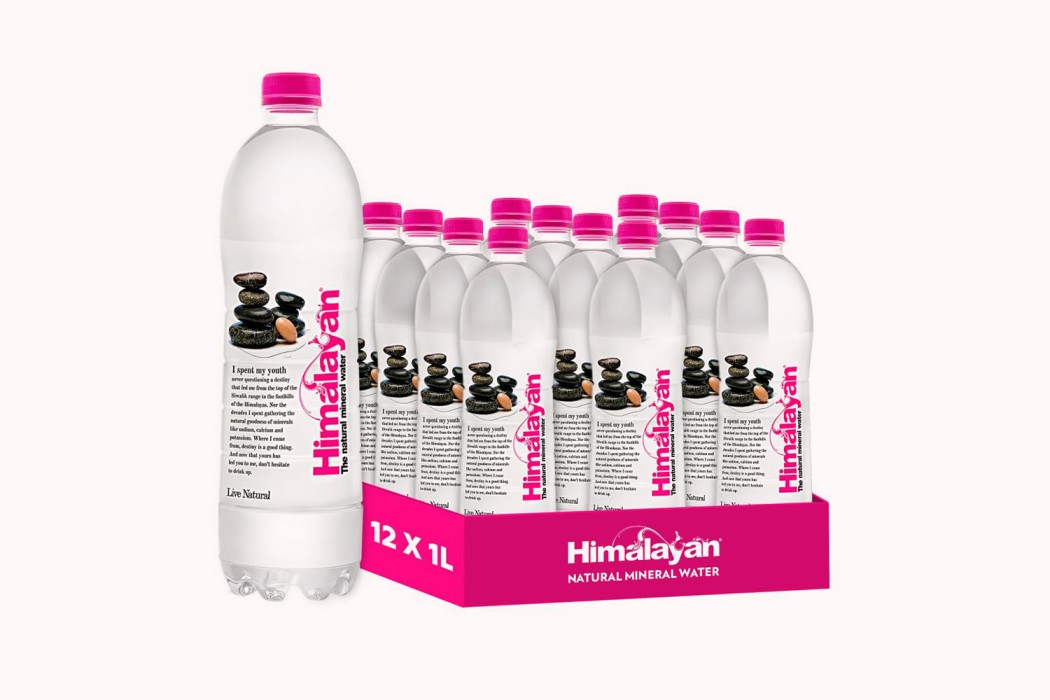
Himalayan Natural Mineral Water is sourced from the foothills of the Himalayas in northern India, drawing on the region's reputation as one of the more geologically significant water sources in the country. The brand markets itself around a naturally alkaline pH and a mineral profile shaped by glacial filtration through Himalayan rock. It is positioned at a more premium tier than mass market Indian waters like Bisleri, often found in upscale hotels and restaurants domestically. Like most Indian bottled water, it is sold in plastic rather than glass. For a taste of water genuinely sourced from one of the most significant mountain ranges in the world, Himalayan is a name to know if you are in the region.
Southeast Asia
8. Aqua - Indonesia's Dominant Bottled Water Brand
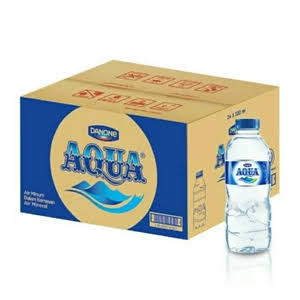
Aqua is the largest and most recognized bottled water brand across Indonesia, including in Jakarta, where it is sold everywhere from street vendors to hotel minibars and convenience stores. The brand was founded in the late 1960s and has since become so dominant that, similarly to Bisleri in India, its name is often used generically for bottled water regardless of the actual brand. It is sourced from multiple spring locations across the Indonesian archipelago rather than a single site, allowing for wide local distribution. The water is sold almost exclusively in plastic, in sizes ranging from small cups to large refill jugs common in Indonesian households. For anyone traveling through Indonesia, Aqua is the name that will follow you everywhere.
East Asia
9. Suntory Tennensui - Japan's Soft, Clean "Natural Water"
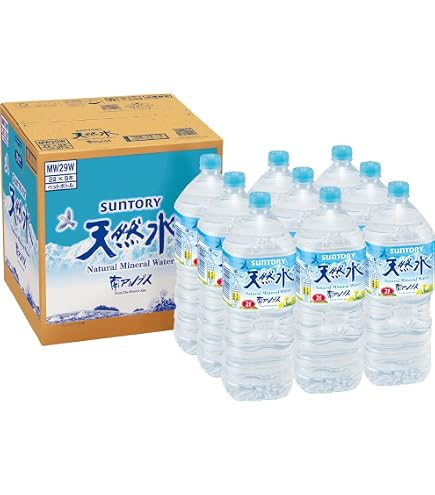
Suntory Tennensui, meaning "natural water" in Japanese, is sourced from multiple protected forest regions across Japan and has built a strong reputation for an especially soft, clean taste with very low mineral content. It has become something of a favorite among specialty coffee shops and pour over enthusiasts specifically because that soft profile does not compete with delicate coffee flavors. The brand emphasizes its sourcing from Japan's forested watershed areas, tying the water's purity directly to environmental preservation messaging. It is sold in plastic across the Japanese market, where it remains one of the most trusted everyday water brands. For a sense of what soft Japanese spring water tastes like, Suntory Tennensui is the name most locals would point to first.
10. Nongfu Spring - China's Largest Bottled Water Brand
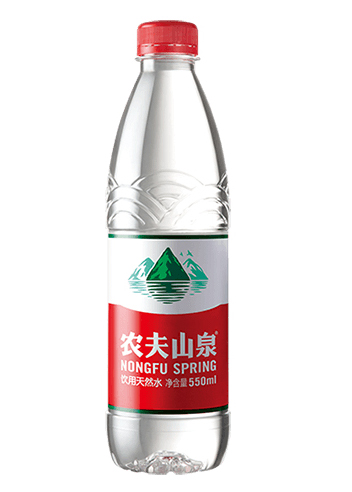
Nongfu Spring has grown into one of the largest bottled water companies in China, sourcing from natural springs across several regions of the country rather than a single source. The brand's tagline, roughly translating to "we are just nature's porter," reflects its positioning as a minimally processed, naturally sourced water rather than a purified or treated one. It has become a fixture of daily life across Chinese cities, sold in plastic in convenience stores, supermarkets, and vending machines nationwide. The company has also expanded into flavored and functional beverages, though the plain spring water remains its core product. For understanding the scale of China's bottled water market, Nongfu Spring is the name that dominates it.
11. Jeju Samdasoo - Volcanic-Filtered Water from South Korea
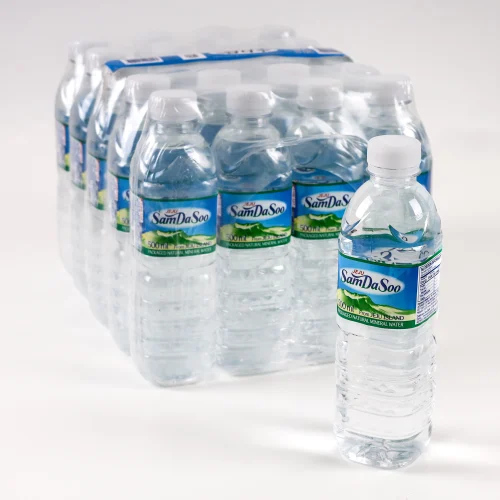
Jeju Samdasoo is sourced from Jeju Island, a volcanic island off South Korea's southern coast known for its distinctive basalt geology. The water is naturally filtered through porous volcanic rock over an extended period, a process the brand markets heavily as central to its clean, mineral light taste. It is the best known bottled water within South Korea itself, widely available in convenience stores and supermarkets across the country. Jeju Island's volcanic terrain has made it a broader source of pride in Korean bottled water branding, with Samdasoo positioned as the flagship example. Sold in plastic, it remains a domestic favorite rather than a major international export. For a taste of Korea's most distinctive water source, Jeju Samdasoo is the name to look for.
Middle East
12. Al Ain - The UAE's Widely Distributed Desert Water
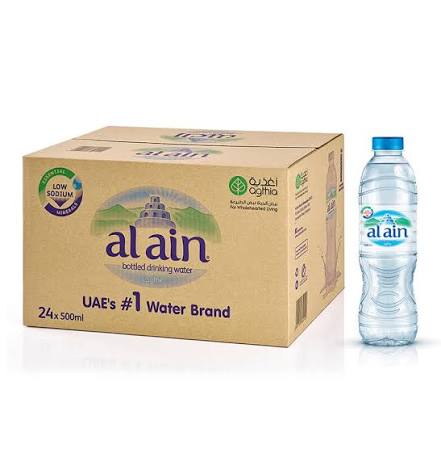
Al Ain water is sourced from underground aquifers near Al Ain city in the United Arab Emirates and is one of the most widely distributed bottled waters across the Gulf region. Its sourcing story is notable given the region's arid climate, drawing on aquifers that have supplied the area for generations. The brand has built a strong domestic presence in the UAE, found in nearly every supermarket, restaurant, and hotel across the country. It is sold in plastic, positioned as an everyday, accessible water rather than a premium import. For travelers in the UAE, Al Ain is one of the most commonly seen bottled water brands on any table.
13. Masafi - Sourced from the Hajar Mountains of the UAE
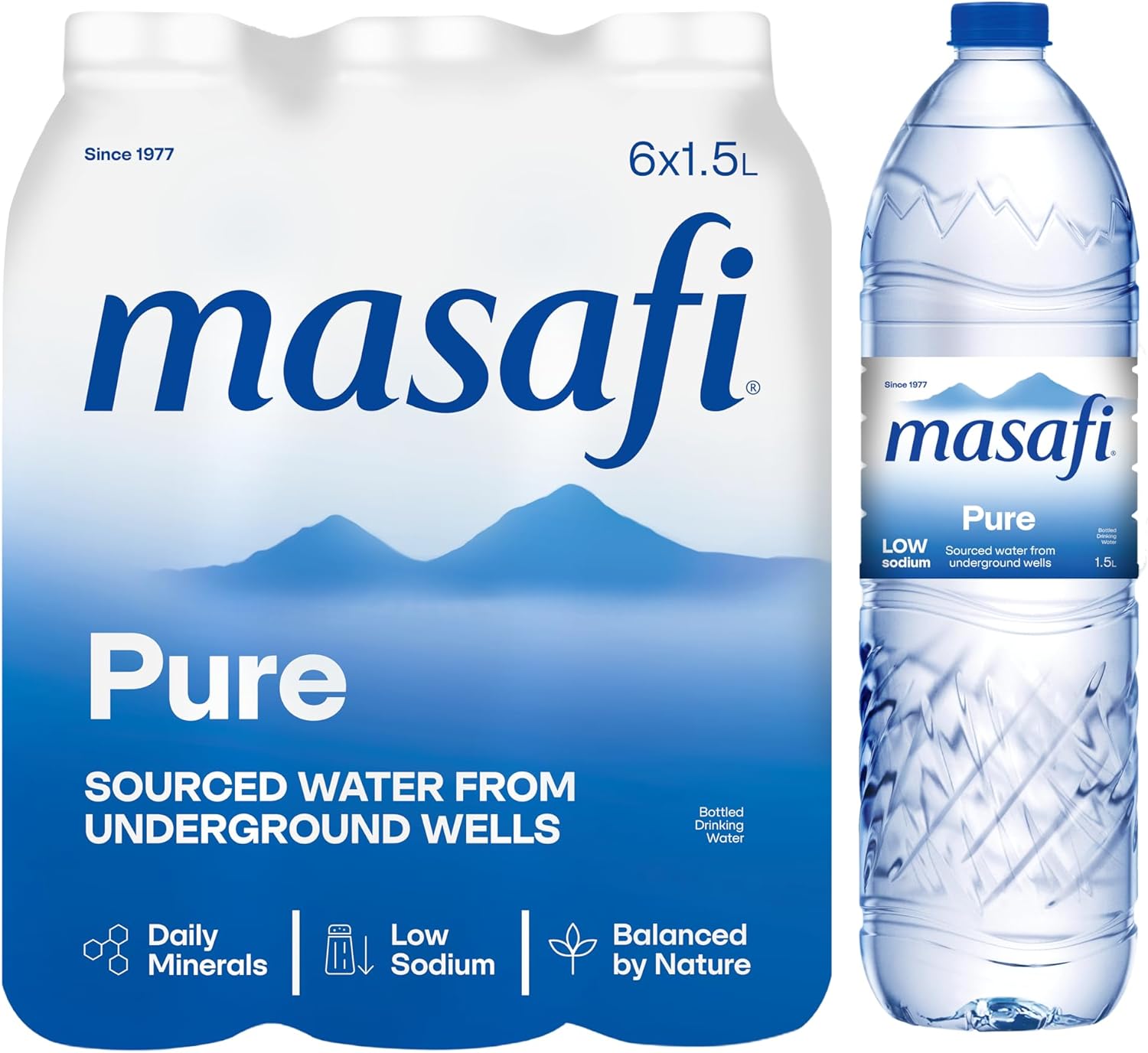
Masafi is another major Emirati bottled water brand, sourced from the Hajar Mountains that run along the UAE's eastern border. The company has grown into one of the largest beverage producers in the region, extending well beyond water into juices and other drinks. The mountain sourcing distinguishes it somewhat from Al Ain's aquifer based sourcing, giving Masafi a slightly different regional identity within the UAE market. It is distributed throughout the Middle East, sold in plastic across most of its range. For a second widely recognized name from the UAE with a distinct mountain sourced story, Masafi is worth knowing alongside Al Ain.
Shea Service Recommendation
Asia covers more ground than any other stop on this world tour, and it shows in how differently each region approaches bottled water. If you want a genuinely glass bottled option you can order today, Essentuki, Borjomi, and Sirab are the three names to look for, all sourced from the Caucasus and all available on Amazon.com. Everywhere else on this list, from Turkey's award winning Uludag bottle to Japan's Suntory Tennensui, tells a real regional story even without a direct purchase link, and is worth knowing if you are traveling through the region or simply curious what the rest of the world drinks. This is part three of our world tour of bottled water, next up we head to South America.
Cheers from Shea Service, because good water is worth knowing about no matter where in the world it comes from.


