The 7 Best Bottled Waters from Africa
Disclaimer: The site may contain links to affiliate websites, and we receive an affiliate commission for any purchases you make on the affiliate website using such links, at no additional cost to you.
At Shea Service, we have been touring the world's bottled water one region at a time, starting with the glass bottled waters of Europe, then North America, then across Asia. Africa is this entry, and it is worth being upfront about why it looks different from the others. Most of the well documented, internationally recognized bottled water brands are concentrated in Europe, North America, and parts of Asia, while much of Africa's bottled water market is dominated by large multinational players like Nestle, Coca-Cola, and Danone operating under regional labels such as Al Ain and Masafi in the Gulf-adjacent north, or by smaller local producers that mostly stay in plastic and do not have much public documentation available. What we found are two brands with genuinely distinctive sourcing stories and real information behind them.
1. Ambo Mineral Water - Ethiopia's Volcanic Sparkling Water
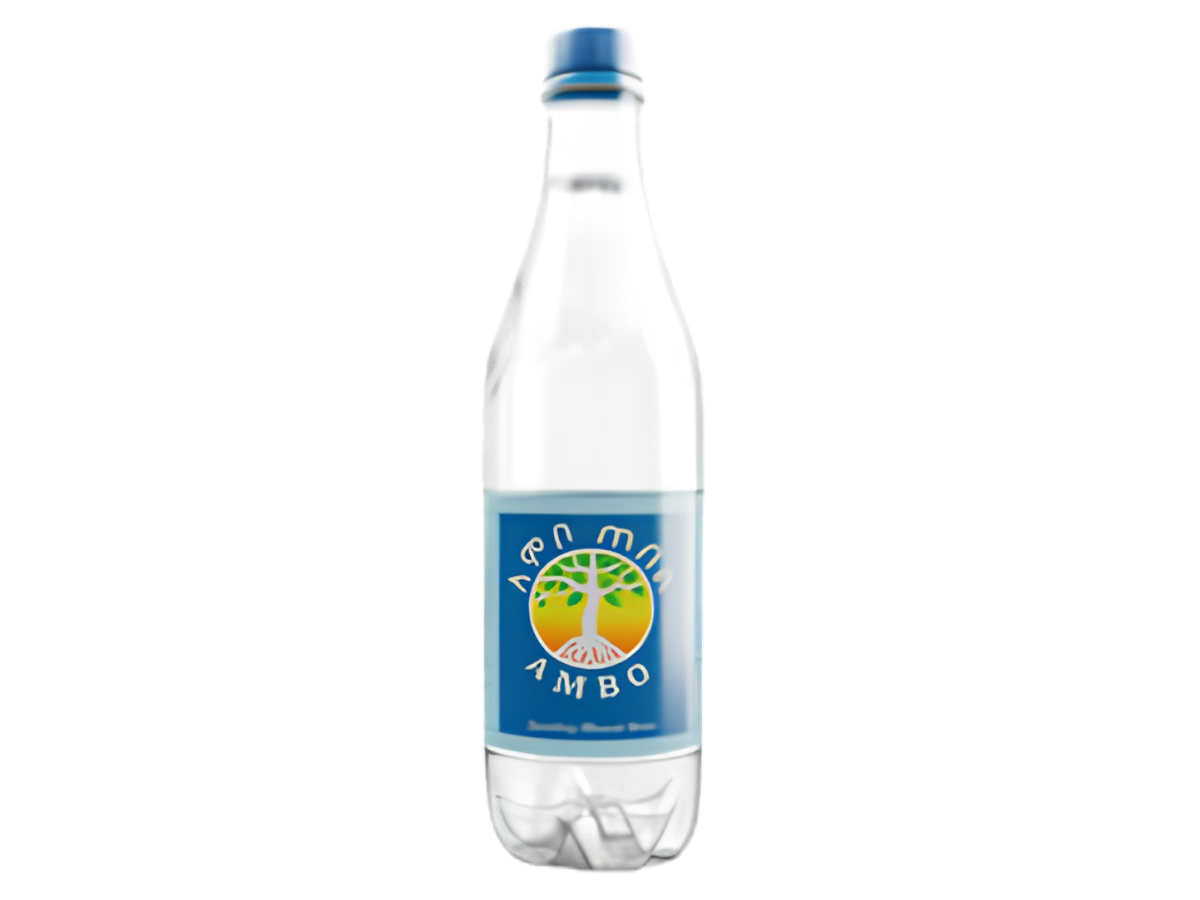
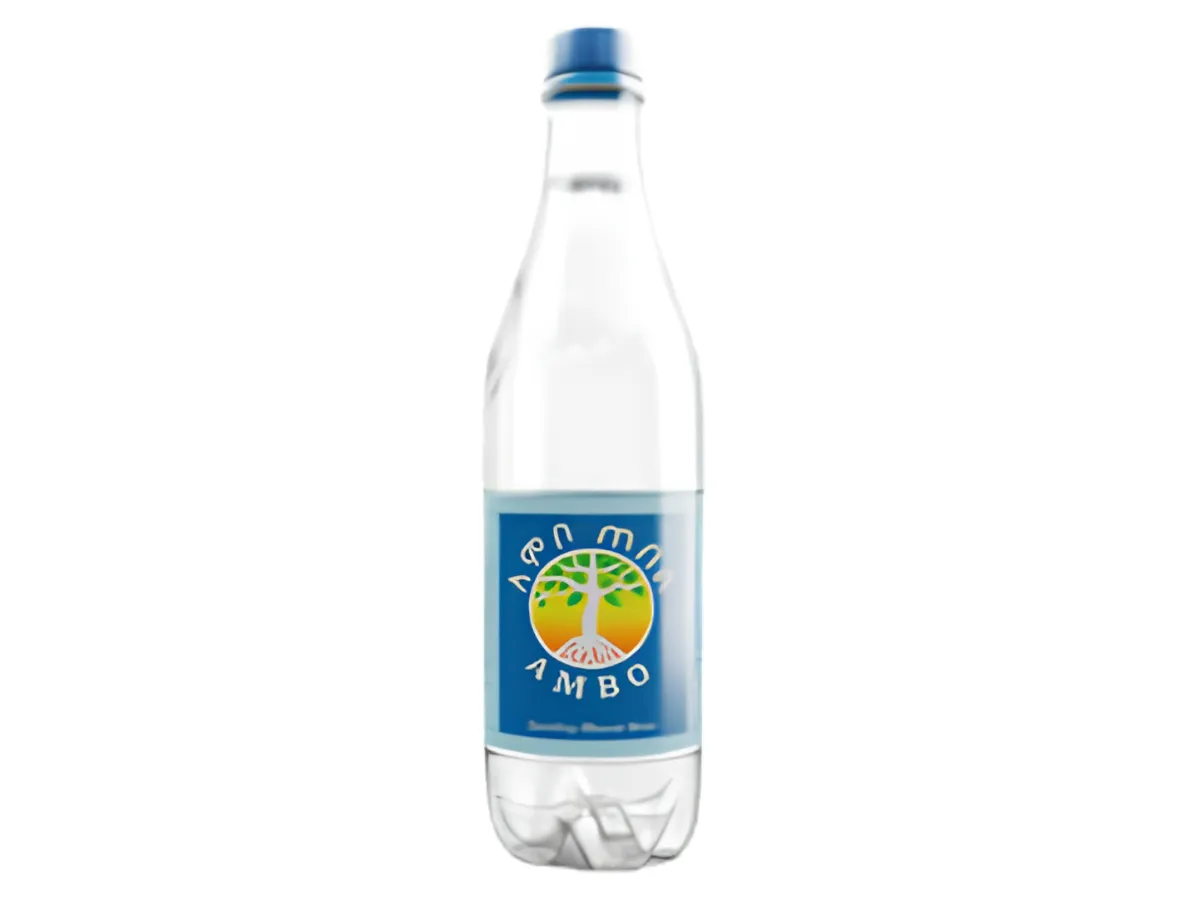
Ambo Mineral Water has been bottled since 1930 from volcanic springs near the town of Ambo in central Ethiopia, making it one of the oldest continuously operating mineral water brands in the world. The water is naturally carbonated by carbon dioxide at the source rather than mechanically injected, and it carries a distinctive mineral profile of calcium, magnesium, potassium, and bicarbonates picked up as it travels down a volcanic fissure before being collected. For decades it was sold exclusively in glass, and while the brand has since introduced plastic packaging alongside it, the glass version remains available and is considered the more traditional option. Ambo holds a genuinely significant place in Ethiopian culture, it was historically associated with Ethiopia's last emperor and has long been referred to locally as having restorative properties. It is exported to a handful of countries including Kenya, South Africa, the UAE, and small quantities to the United States, mainly through specialty African grocery importers. For a taste of one of the oldest mineral water traditions in the world, Ambo is a name worth knowing.
2. Mountain Falls - South Africa's Klein River Mineral Water
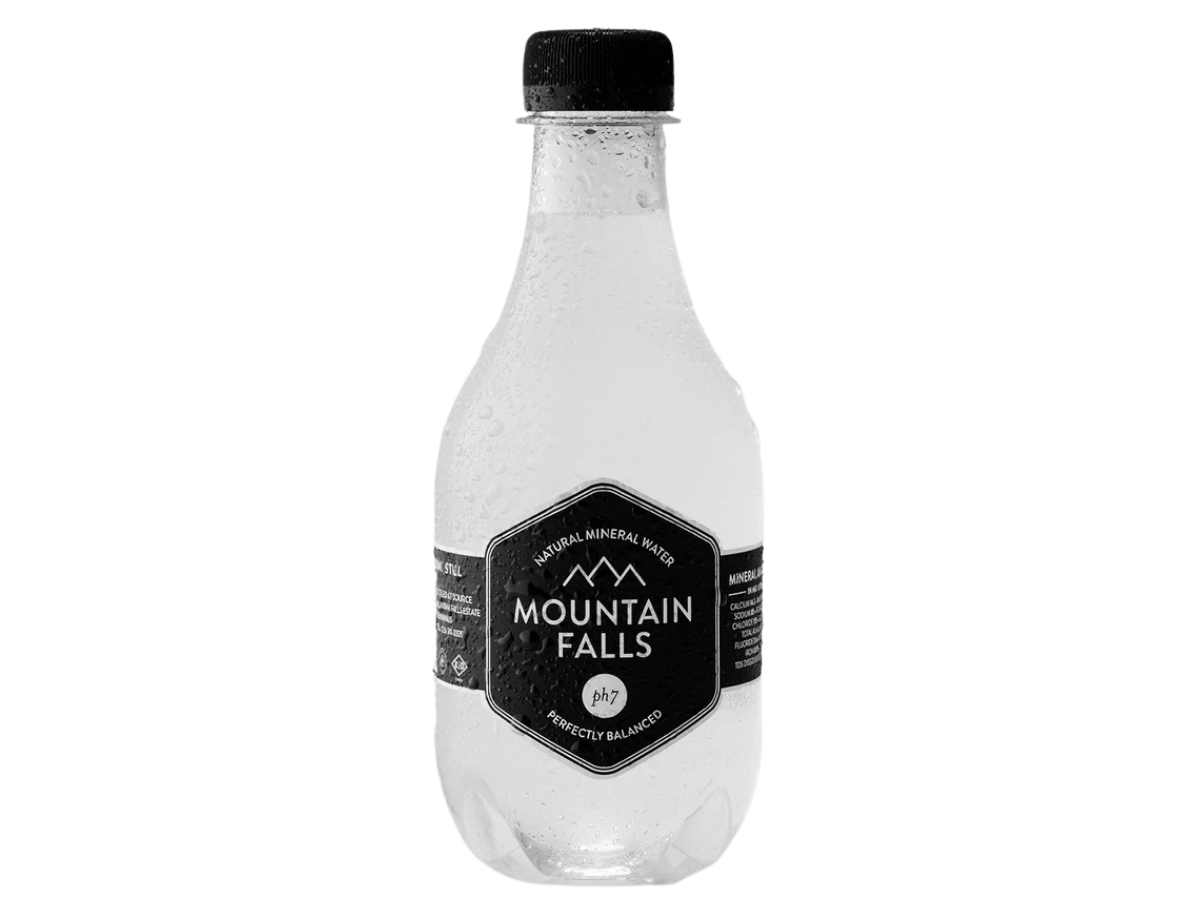
Mountain Falls is sourced from the Klein River mountain range in South Africa's Overberg region, near Cape Town, and has positioned itself as the country's leading claim to a genuine mineral water. The brand markets a Total Dissolved Solids level of 350 milligrams per liter, which it states exceeds the global threshold required to officially call a water mineral rather than simply spring or purified. It is bottled in both still and sparkling versions, available in glass in 330 milliliter and 750 milliliter formats, alongside separate plastic and bag in box lines for other markets. The company has built its identity around sustainability credentials, including certified carbon neutral and plastic neutral status, and has found placement in South African wellness retailers and specialty cafes. For anyone curious what a genuinely premium, glass bottled African mineral water looks like, Mountain Falls is the clearest example currently documented.
3. aQuellé - South Africa's Favorite Everyday Water
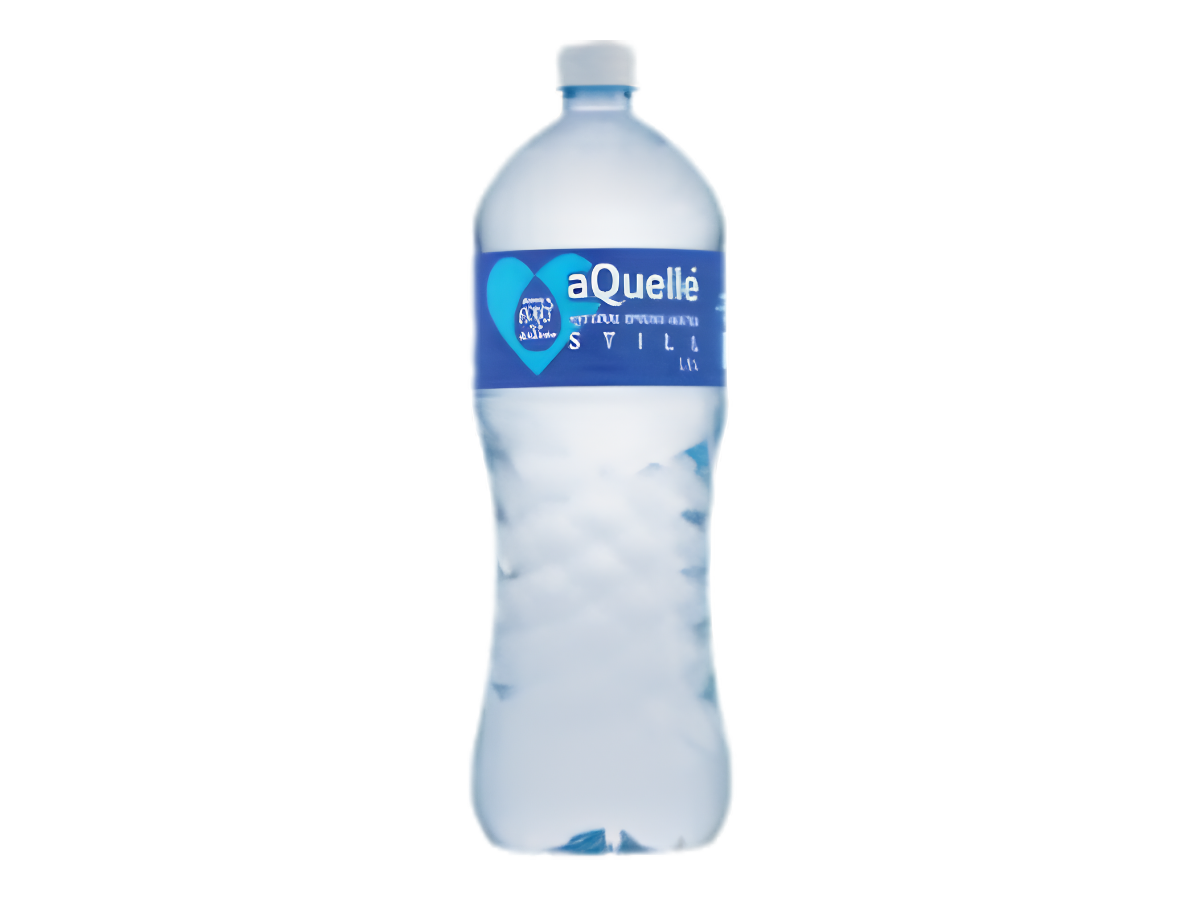
aQuellé is sourced from a natural spring in KwaZulu-Natal and has grown into South Africa's most recognized bottled water brand since its founding in 1998, when it emerged from a mission community dedicated to supporting local outreach work. The brand is a member of SANBWA, the South African National Bottled Water Association, and complies with the group's quality standards across all three of its bottling facilities. It's known regionally for a clean, easy drinking taste and a genuinely community driven backstory, with proceeds supporting programs that provide meals and support to thousands of people daily. aQuellé is sold in plastic across its range, including a well known lineup of South African inspired flavors like naartjie, litchi, and marula. For a taste of South Africa's most widely recognized water, aQuellé is worth knowing even with the plastic caveat.
4. THIRSTI - South Africa's High-pH Mineral Water
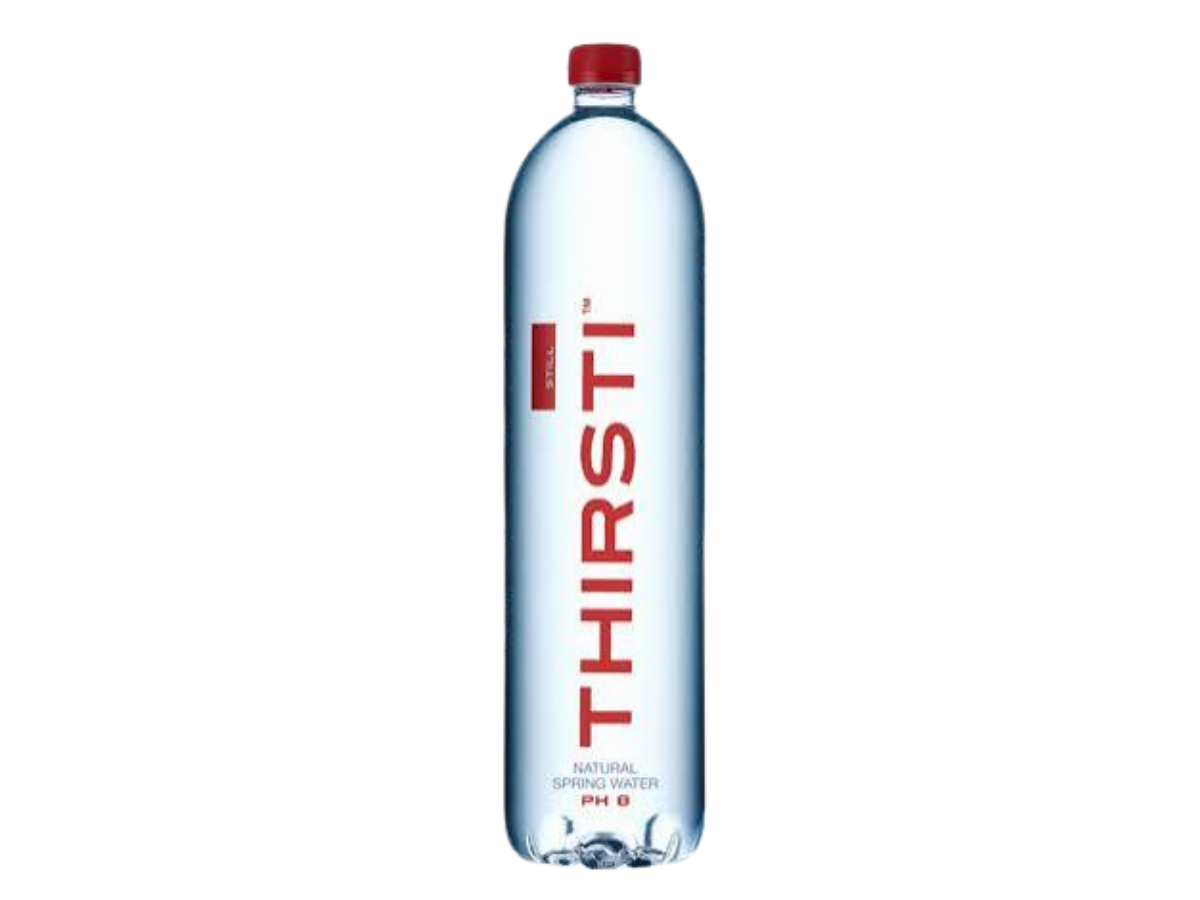
THIRSTI is sourced exclusively from a spring in the foothills of the Klein Drakensberg and has built its identity around an unusually high natural pH of 8.9, well above most bottled waters on this world tour. Like Mountain Falls and aQuellé, it's a member of SANBWA and follows the association's quality and safety standards. The brand markets itself around active, youthful lifestyles, backing its positioning with sports sponsorships across South Africa. It's sold in plastic, across still, sparkling, and flavored lines. THIRSTI is not currently available through major US retailers, so there is no purchase link here. For one of the more distinctly high pH waters documented anywhere in this series, THIRSTI is worth knowing.
5. Valpré - South Africa's Coca-Cola Owned Spring Water
Valpré is a spring water brand owned by The Coca-Cola Company, sourced from the Fricona Valley in the highlands of northern KwaZulu-Natal, with additional bottling facilities in Polokwane and Heidelberg. The brand markets its water as spending up to 15 years filtering naturally underground before reaching the bottling line, and its production process is designed to minimize manual handling to reduce contamination risk. It's sold in both still and sparkling versions, packaged using Coca-Cola's PlantBottle technology, a partially plant based packaging approach the company has rolled out across several of its water brands globally. Valpré is not currently available through major US retailers, so there is no purchase link here. For a look at how a major multinational approaches South African bottled water, Valpré is the clearest example.
6. Kilimanjaro Natural Mineral Water - Tanzania's Mountain-Sourced Water
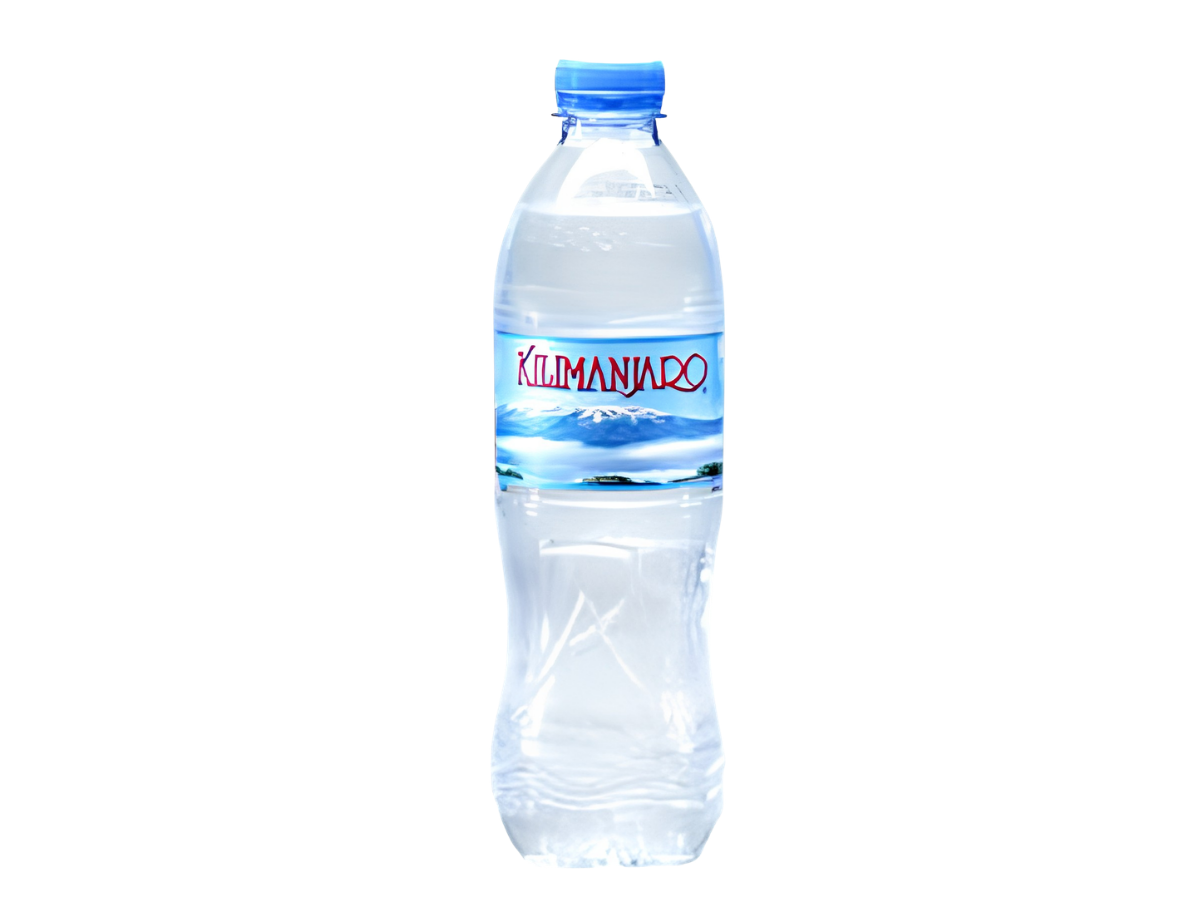
Kilimanjaro Natural Mineral Water has been produced since 1994 by Bonite Bottlers at a facility in Shirimatunda, Moshi, sitting in the shadow of Mount Kilimanjaro itself, and has grown into one of the most recognized water brands across East Africa. In early 2026 the brand completed a formal rebrand from its original name, Kilimanjaro Drinking Water, to better reflect its natural mineral composition and to carry Tanzania's Super Brand recognition mark. It's distributed nationwide across Tanzania in a wide range of sizes, from small 500 milliliter bottles up to large 18.9 liter containers for offices and households. The water is sold in plastic, and remains a purely domestic Tanzanian product without international export or a US presence. For a name that dominates bottled water conversation across an entire East African country, Kilimanjaro is worth knowing.
7. Eva Water - Nigeria's Trusted Table Water
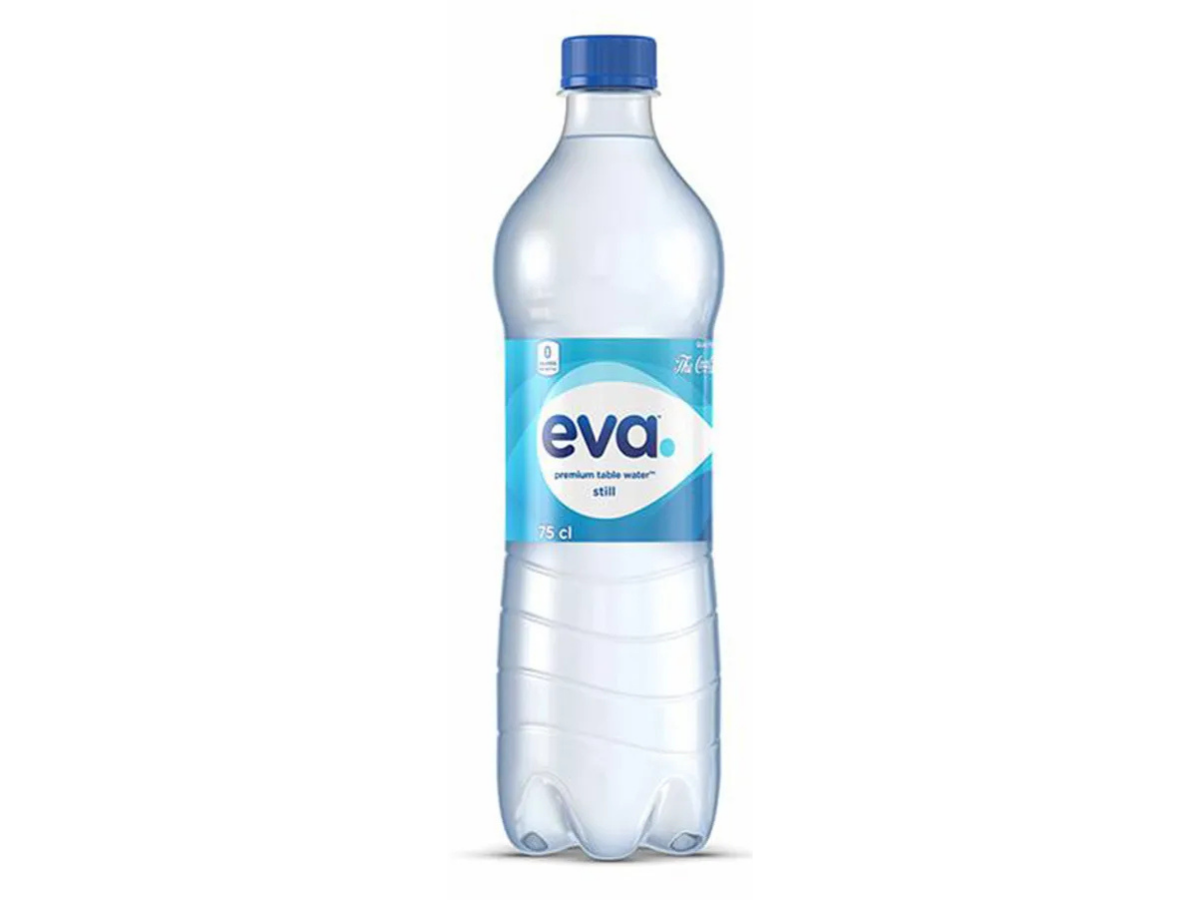
Eva Water is produced by the Nigerian Bottling Company, the country's Coca-Cola franchise bottler, and has become one of West Africa's most widely distributed and trusted table water brands. It's sourced from protected underground wells and put through a 13 step production process the brand markets as central to its purity and consistent taste. Eva is sold everywhere from Lagos street vendors to supermarkets across Nigeria, in sizes ranging from small single serve bottles up to 1.5 liter packs, and its backing by one of the country's largest beverage bottlers has helped it become a genuinely household name. It's sold in plastic, and remains a purely domestic Nigerian product without a US presence. For the table water most Nigerians reach for every day, Eva is the name to know.
Shea Service Recommendation
This entry is longer than it first appears, and that reflects real digging rather than padding. Africa simply does not have the same density of internationally documented, glass bottled water brands that Europe, North America, and parts of Asia do, and much of what exists locally is either sold in plastic or does not have enough verifiable sourcing information to write about responsibly. Ambo stands out for its history and its volcanic sourcing. Mountain Falls stands out for being a genuinely premium glass mineral water with real certifications behind it. aQuellé represents the everyday, most recognized name across South Africa, even in plastic. THIRSTI and Valpré round out South Africa's entries with a distinctly high pH mineral water and a major multinational's take on the category. Kilimanjaro and Eva Water close out the list as the dominant everyday names across Tanzania and Nigeria, though none of these last four currently have a purchase link. All seven are worth knowing if you come across them while traveling, or if you are simply curious what quality bottled water looks like outside the regions that dominate the global conversation. This is part four of our world tour of bottled water, next up we head to South America.
Cheers from Shea Service, because good water is worth knowing about no matter where in the world it comes from.


