
Understanding TDS and What It Means for Your Coffee
Disclaimer: The site may contain links to affiliate websites, and we receive an affiliate commission for any purchases you make on the affiliate website using such links, at no additional cost to you.
At Shea Service, we believe that truly understanding your water is the first step toward brewing truly exceptional espresso. Most coffee lovers invest heavily in grinders, machines, and premium beans - yet very few ever stop to measure the single variable that touches every extraction, every crema layer, and every flavor compound in the cup. That variable is TDS - Total Dissolved Solids - and once you understand what it means, you will never look at your water the same way again. Today, we are breaking down everything you need to know about TDS, why it matters so deeply for espresso and coffee brewing, and which tools will help you dial in the perfect mineral balance every single time.
Understanding TDS and What It Means for Your Coffee
What Is TDS and Why Does It Matter for Espresso?
TDS stands for Total Dissolved Solids - a measurement of the combined concentration of all dissolved substances present in water, expressed in parts per million (PPM). These dissolved substances include minerals like calcium, magnesium, sodium, and bicarbonate, as well as trace amounts of other compounds that naturally occur in source water or are introduced through pipes and treatment processes. When you see a TDS reading of 100 PPM, it means that for every million parts of water, 100 parts are made up of dissolved substances.
For espresso brewing specifically, TDS is one of the most important water quality measurements you can take. The reason is straightforward - water is not just a carrier for espresso. It is an active participant in the extraction process. The minerals dissolved in water directly influence how efficiently coffee compounds are pulled from the grounds, how flavors develop and balance in the cup, how stable and persistent crema becomes, and how much stress is placed on your machine's internal components over time.
The Specialty Coffee Association (SCA) recommends espresso brewing water with a TDS between 75 and 150 PPM as the ideal range for balanced extraction, flavor clarity, and equipment protection. Water that falls well below this range tends to be too soft for proper extraction, producing espresso that tastes flat, thin, and underdeveloped. Water that significantly exceeds this range introduces excessive mineral content that creates aggressive scale buildup inside boilers and thermoblocks while also producing harsh, bitter, and over-extracted espresso flavors.
How TDS Affects Espresso Flavor, Crema, and Extraction:
Understanding the relationship between TDS and espresso flavor requires thinking about minerals as individual brewing variables rather than a single undifferentiated number. Calcium and magnesium are the two minerals that matter most for espresso extraction quality. Magnesium in particular has a strong affinity for the aromatic compounds in coffee, helping draw out sweetness, fruity acidity, and complex flavor layers that would otherwise remain locked inside the grounds. Calcium contributes to body, mouthfeel, and crema stability.
When TDS is correctly balanced in the 75-150 PPM range with appropriate calcium and magnesium levels, espresso extracts evenly across a wide variety of roast profiles. Medium and light roasts develop vibrant acidity, floral clarity, and refined sweetness. Darker roasts produce full body, stable crema, and rich chocolate-forward flavor without tipping into bitterness. The extraction window becomes broader and more forgiving, making it easier to pull consistently great shots even with minor variations in grind size or dose.
When TDS is too low - generally below 50 PPM - water lacks the ionic activity needed to efficiently bond with coffee compounds during extraction. The result is under-extracted espresso with weak body, flat flavor, thin crema that dissipates quickly, and a hollow, watery mouthfeel that fails to carry the complexity the beans are capable of delivering.
When TDS is too high - typically above 300 PPM - the excess mineral load overwhelms extraction, producing bitter, harsh, and astringent flavors. High-TDS water also leaves behind heavy limescale deposits with every brew cycle, coating heating elements, clogging solenoid valves, and shortening the operational lifespan of espresso machines significantly faster than properly balanced water.
How to Measure TDS in Your Water - The Right Tools for the Job:
Measuring TDS at home is easier and more affordable than most coffee enthusiasts expect. A quality TDS meter is a small, pen-style digital device that measures the electrical conductivity of water - since dissolved minerals conduct electricity, the meter uses this conductivity to calculate an approximate TDS reading in PPM. Modern TDS meters are accurate, fast, and require no technical expertise to use. Most provide a stable reading within three seconds of dipping the sensor tip into a water sample.
For home espresso brewing, five TDS meters stand out as the strongest options available today:
1. HoneForest TDS Meter, Digital Water Tester - Measures TDS, EC & Temperature (°F/°C), 0-9990 PPM
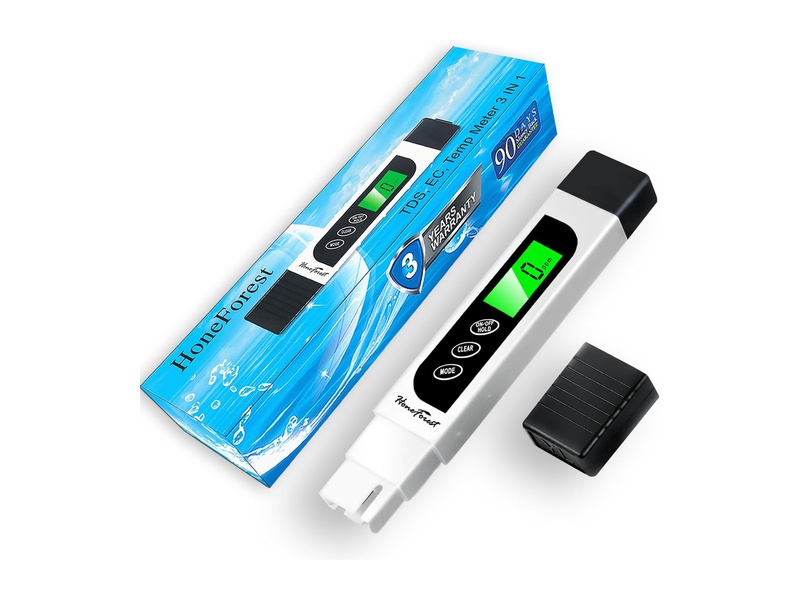
The HoneForest TDS Meter is one of the most trusted and widely used TDS meters in the home espresso and specialty coffee community, with over 16,000 reviews on Amazon and a 4.5-star rating that reflects its proven reliability and consistency. It measures TDS, Electrical Conductivity (EC), and water temperature in both Fahrenheit and Celsius - three of the most useful water quality data points for espresso brewers - all in a single compact, pocket-sized device. The 0-9990 PPM range covers everything from ultra-pure RO output water to heavily mineralized tap water, making it useful at every stage of your water testing and filtration routine. Simple one-button operation delivers stable readings in seconds without calibration or complicated setup. For espresso enthusiasts wanting a proven, dependable, and community-trusted TDS meter that the specialty coffee world consistently recommends, the HoneForest is an outstanding first choice.
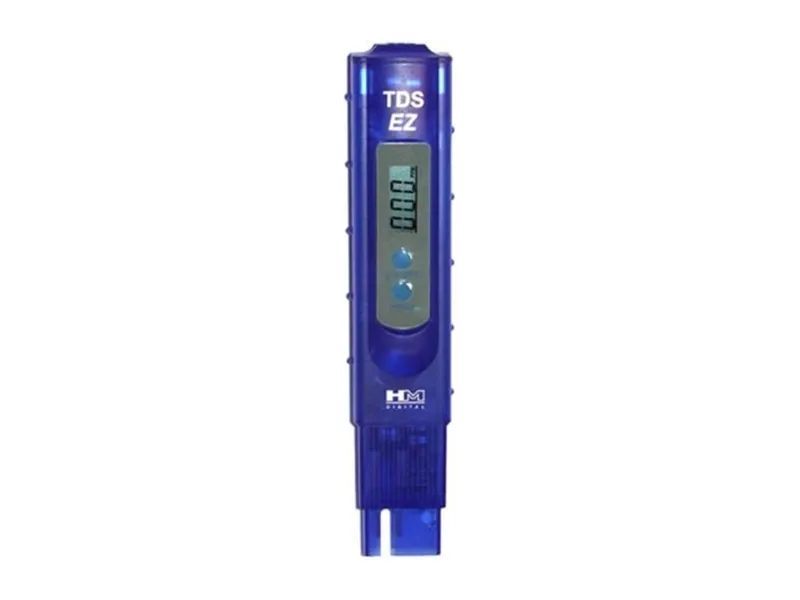
2. HM Digital TDS-EZ Water Quality TDS Tester, 0-9990 PPM Measurement Range, 1 PPM Resolution, 3% Readout Accuracy
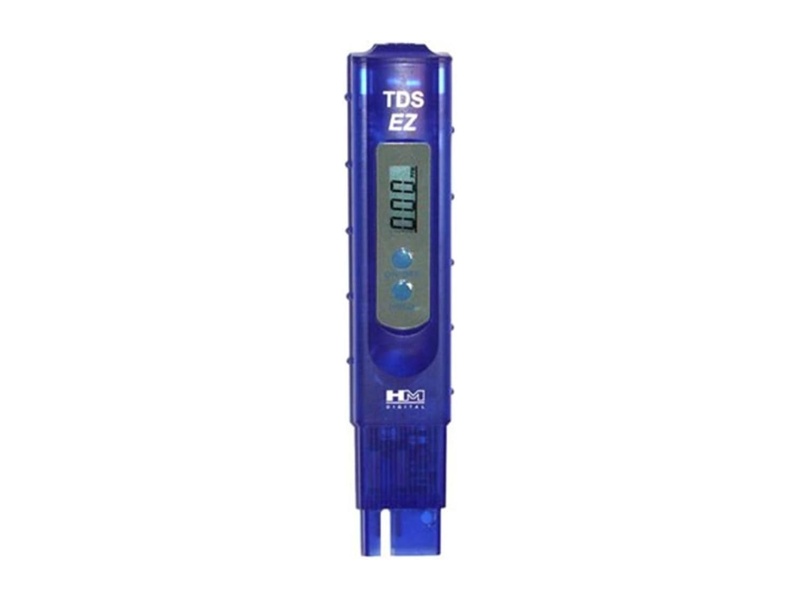
The HM Digital TDS-EZ is one of the most recognized and respected TDS meters in the specialty coffee and home barista community, trusted and recommended by Third Wave Water and numerous professional home barista forums worldwide. With a precise 1 PPM resolution and a tight 3% readout accuracy, it delivers the kind of reliable, repeatable measurements that serious espresso brewers depend on when dialing in water recipes and verifying filter performance. Its simple, single-reading design strips away unnecessary complexity - making it one of the cleanest and most focused TDS testing experiences available at any price point. For espresso enthusiasts who want a meter with genuine credibility inside the specialty coffee world and straightforward operation that never gets in the way, the HM Digital TDS-EZ is an exceptionally strong choice.
3. 2025 All-New 4-in-1 TDS Meter Digital Water Tester - TDS, EC & Temp (°C/°F), 0-9999 PPM
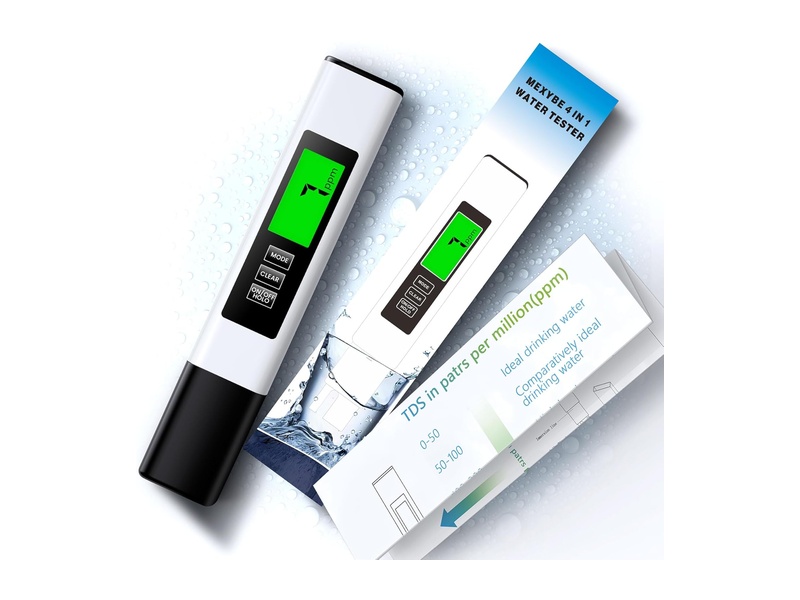
For users wanting the latest generation of water testing technology at a budget-friendly price, the 2025 All-New 4-in-1 TDS Meter delivers upgraded sensor accuracy, faster reading stabilization, and a refined dual-scale temperature display covering both Celsius and Fahrenheit - making it particularly practical for international users and professional brewing environments. Its extended 0-9999 PPM measurement range and improved circuitry provide sharper, more consistent readings across a wider range of water conditions than older-generation budget meters. The backlit digital display makes readings easy to read in any lighting condition, and the sleek pen-style build fits comfortably in a kitchen drawer or coffee station. For espresso brewers wanting a modern, capable, and affordable upgrade for checking RO output or filtered water before brewing, this 2025 model represents excellent value and improved performance.
4. Instant 4-in-1 TDS Meter Digital Water Tester - Accurate 0-9990 PPM EC & Temp Readings
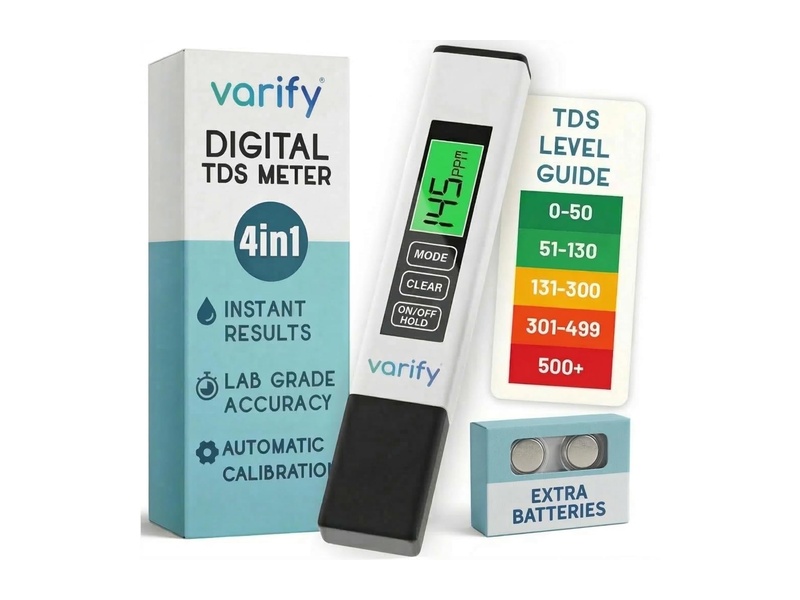
The Instant 4-in-1 TDS Meter by Varify combines professional-grade accuracy with approachable, beginner-friendly operation that makes water quality testing genuinely accessible for first-time users. Purpose-built for drinking water verification, RO system monitoring, aquarium maintenance, and home espresso water testing, it delivers four measurements - TDS, EC, temperature, and purity level - in a single instant reading. One of its most thoughtful features is the TDS level guide chart printed directly on the packaging, which helps new users immediately understand their water quality results without needing additional research or external references. For espresso enthusiasts just beginning to explore water chemistry and wanting guided context alongside their first TDS readings, this meter offers the most welcoming and informative entry point of any option on this list.
5. VIVOSUN Digital pH and TDS Meter Kit - 0.01pH High Accuracy, 3-in-1 TDS EC Temperature Meter, UL Certified
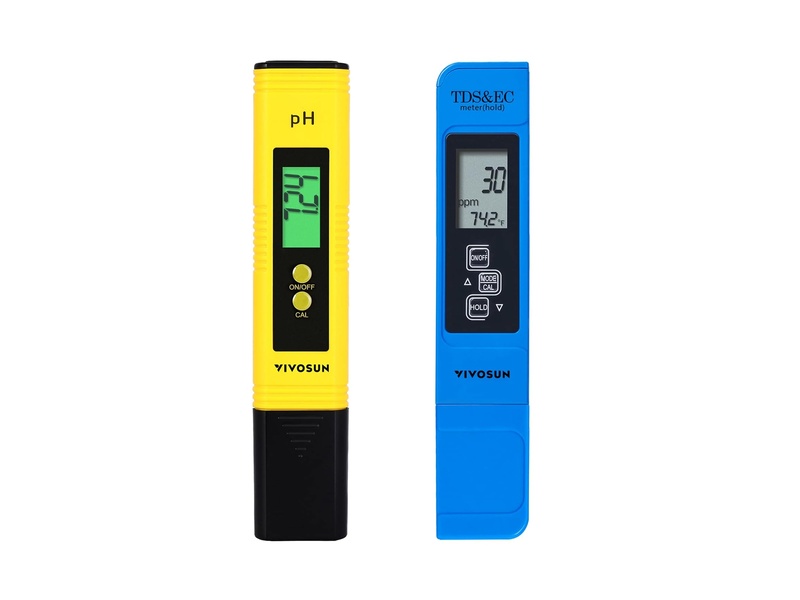
For espresso enthusiasts and home water monitoring professionals who want the most comprehensive water quality picture possible, the VIVOSUN Digital pH and TDS Meter Kit stands alone as the only option on this list that adds pH measurement to the TDS, EC, and temperature readings already covered by the other meters. With over 24,000 reviews and Amazon's #1 Best Seller ranking in Lab pH Meters, this UL-certified kit delivers 0.01 pH resolution accuracy alongside reliable TDS and EC measurements - giving users a complete understanding of both mineral content and water acidity in a single combined toolkit. For espresso brewers, pH monitoring adds an additional layer of insight into water behavior during extraction, since water acidity can influence perceived brightness, balance, and overall flavor clarity in the cup. For anyone wanting full-spectrum water quality monitoring that goes beyond TDS alone, the VIVOSUN kit is the most complete and capable solution available at this price point.
What TDS Level Should Your Espresso Water Actually Be?
Based on SCA guidelines, espresso machine manufacturer recommendations, and real-world brewing experience, the following TDS ranges provide a practical framework for espresso water decisions:
Below 50 PPM - Too soft for espresso. Produces flat, under-extracted, thin espresso with weak crema. Common in some glacial waters, ultra-pure RO output, and very soft municipal water sources. Avoid for regular espresso brewing.
50–75 PPM - Borderline soft. Can work for lighter roast espresso focused on clarity and delicate acidity. Better suited for pour-over and filter brewing than espresso. May produce inconsistent crema.
75–150 PPM - Ideal espresso range. Supports balanced extraction, stable crema, full sweetness, and proper body across most roast profiles. Machine-friendly with manageable scaling potential. The SCA-recommended sweet spot for espresso brewing.
150–250 PPM - Usable with caution. Can produce rich body, bold crema, and strong extraction but increases scaling risk noticeably. Works better for darker roasts with regular descaling maintenance built into your routine.
Above 250 PPM - High scaling risk. Produces harsh, bitter espresso and rapid limescale buildup inside boilers and thermoblocks. Not recommended for regular espresso machine use without pre-treatment or dedicated filtration.
TDS and Espresso Machine Protection - The Scale Connection:
Beyond flavor, TDS has a direct and measurable impact on espresso machine longevity. Every time water is heated inside an espresso machine's boiler, the dissolved minerals left behind as water converts to steam gradually accumulate on heating elements, boiler walls, group head components, and solenoid valves. This accumulation is limescale - and it is the single most common cause of espresso machine performance degradation and premature failure.
Higher TDS water accelerates scale buildup dramatically. An espresso machine running on 300 PPM water may require descaling twice as frequently as one running on 100 PPM water. Scale buildup reduces thermal efficiency, increases energy consumption, slows heat-up times, affects extraction pressure stability, and in severe cases blocks water flow entirely. Using a TDS meter to verify your water quality before it enters your machine is one of the simplest and most cost-effective preventive maintenance steps any espresso owner can take - and it costs less than a single bag of specialty coffee beans.
Shea Service Recommendation - Know Your Water, Perfect Your Brew:
At Shea Service, our recommendation for every espresso machine owner is simple - test your water before you brew. Here is how each meter on this list best fits different needs:
For a proven, community-trusted option with 16,000+ reviews, the HoneForest TDS Meter is our top everyday recommendation and the most popular choice among home espresso enthusiasts.
For a specialty coffee-endorsed option trusted by professionals and advanced home baristas, the HM Digital TDS-EZ is the meter the specialty coffee world reaches for first.
For a budget-friendly 2025 upgrade with modern sensor technology, the 2025 All-New 4-in-1 TDS Meter delivers outstanding performance at the lowest price point on this list.
For beginners wanting guided water quality education alongside their first readings, the Instant 4-in-1 TDS Meter by Varify provides the most accessible and informative starting point.
For complete water monitoring that includes pH alongside TDS, EC, and temperature, the VIVOSUN Digital pH and TDS Meter Kit is the most comprehensive solution available and the strongest choice for users who want the full picture of their water quality in one kit.
Know your water. Protect your machine. Perfect your espresso - one measurement at a time. Cheers from Shea Service - because the best cup always starts with the best water!


